Advanced Neuro Emergency & Intensive Care by Dr. Laxmikant Bhople and Dr. Sandeep Gore

Neurocritical Care
Neurocritical care is a specialized branch of medicine that focuses on the intensive monitoring and management of patients with life-threatening neurological conditions. In many situations, these conditions require immediate intervention, continuous observation, and expert neurosurgical decision-making.
Because neurological emergencies can worsen rapidly, timely and expert neurocritical care becomes essential. With this priority in mind, Dr. Laxmikant Bhople and Dr. Sandeep Gore provides advanced neurocritical care in Nanded, ensuring prompt stabilization, neurological protection, and coordinated treatment for critically ill patients.

Conditions Managed Under Neurocritical Care
Patients requiring neurocritical care often present with complex and unstable neurological conditions. For this reason, comprehensive evaluation and round-the-clock monitoring are crucial. Dr. Laxmikant Bhople and Dr. Sandeep Gore manages neurocritical conditions such as:
- Severe head injury and polytrauma
- Brain hemorrhage and intracranial bleeding
- Acute ischemic and hemorrhagic stroke
- Post-brain and spine surgery critical care
- Status epilepticus and uncontrolled seizures
- Brain swelling and raised intracranial pressure
- Neuro-infections and acute neurological deterioration
After rapid assessment, treatment is initiated based on neurological status and imaging findings.
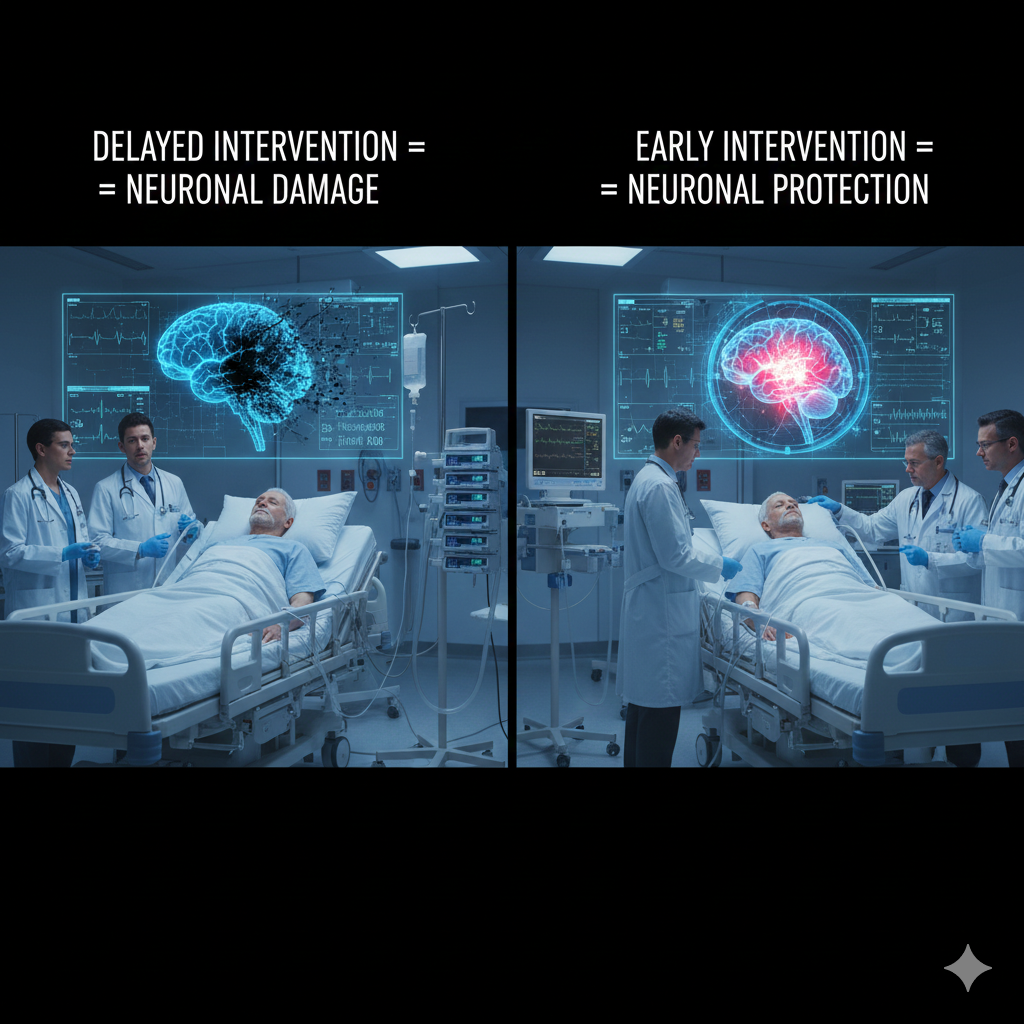
Importance of Timely Neurocritical Intervention
Neurological damage can progress quickly if not treated promptly. Therefore, early admission to a neurocritical care unit significantly improves survival and recovery. Moreover, continuous neurological monitoring helps detect complications before they become life-threatening.
As a result, patients receive timely interventions that protect brain function and prevent secondary injury.
Advanced Neurocritical Care Services
Modern neurocritical care combines technology, expertise, and rapid response. Accordingly, Dr. Bhople follows evidence-based protocols to manage critically ill neurological patients.
Intensive Neurological Monitoring
Patients are continuously monitored for brain function, vital signs, and neurological status. This allows early detection of deterioration and faster intervention.
Emergency Neurosurgical Management
When surgical intervention is required, immediate neurosurgical procedures are performed. Consequently, pressure on the brain is relieved, and further damage is prevented.
Ventilator & Life-Support Management
Critically ill patients often require ventilatory support. Therefore, advanced life-support systems are integrated with neurological care to maintain stability.
Multidisciplinary Critical Care Approach
Neurocritical care involves collaboration with intensivists, anesthetists, radiologists, and rehabilitation teams. Thus, patients receive comprehensive and coordinated treatment.
Expertise of Dr. Laxmikant Bhople and Dr. Sandeep Gore
With over 9 years of experience in neurosurgery and neuro emergency management, Dr. Laxmikant Bhople and Dr. Sandeep Gore has extensive expertise in handling complex neurocritical cases. In addition to surgical skills, he is known for rapid clinical judgment and calm decision-making in high-pressure situations.
Furthermore, his patient-centered approach ensures ethical care, clear communication with families, and focused recovery planning.
Benefits of Specialized Neurocritical Care
- Rapid stabilization of critical neurological conditions
- Continuous monitoring and early complication detection
- Reduced risk of secondary brain injury
- Improved survival and neurological outcomes
- Structured transition from critical care to rehabilitation
Because every minute matters in neurological emergencies, expert neurocritical care makes a decisive difference.

Recovery & Ongoing Care
Recovery following a neurocritical illness is gradual and closely supervised. Initially, patients remain under intensive monitoring. Subsequently, rehabilitation and neurological recovery plans are introduced based on patient progress.
At the same time, regular assessments help guide safe discharge and long-term care planning.
 Consultant Neurosurgeon with spine surgery expertise